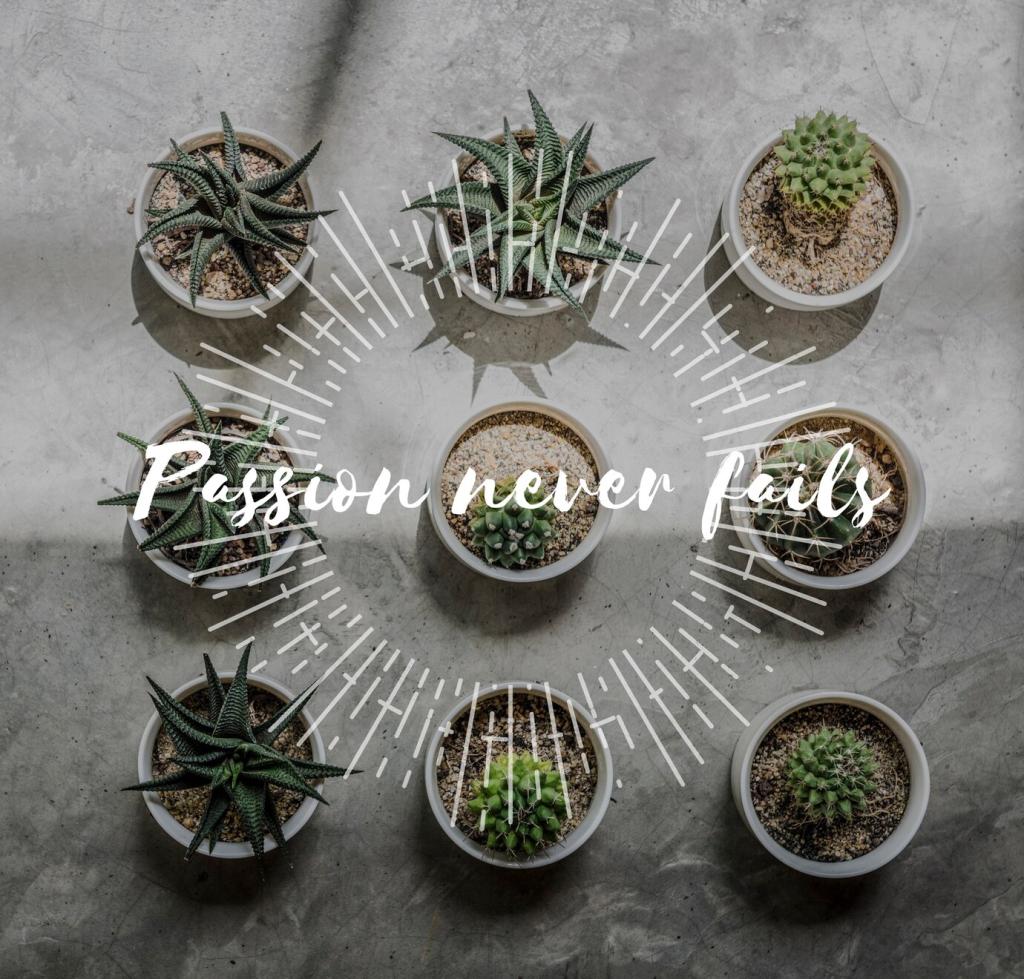
Organic Forms in Design: Breathing Life into Objects
Chosen theme: Organic Forms in Design. Explore how nature’s curves, gradients, and structures inspire products, spaces, and visuals that feel intuitive, empathetic, and alive—then share your own organic inspirations and subscribe for fresh stories.
The Living Curve: Principles of Organic Forms
Bones thicken where stress concentrates, leaves channel water along efficient ribs, and shells harden while conserving material. Translating these patterns into geometry yields forms that look beautiful because they work beautifully. Which biological pattern inspires your next prototype?
The Living Curve: Principles of Organic Forms
Start with sweeping gesture lines, then refine centerlines and silhouettes until transitions feel inevitable. I once erased a dozen edges before one quiet curve unified everything. Try it, then share a sketch from your process below.
Historic Inspirations: Learning from Visionary Organic Architects
Antoni Gaudí used hanging chains to model catenary arches, letting gravity draw precise curves. Flip the model and you get naturally efficient structure, like at the Sagrada Família. Have you ever tested an upside-down mockup to reveal a hidden solution?
Historic Inspirations: Learning from Visionary Organic Architects
Eero Saarinen’s TWA Flight Center evokes a bird taking flight, a continuous shell guiding people by suggestion rather than signage. Its emotional logic still teaches flow. What wayfinding moments could your form quietly solve without a single word?
Parametric Flow with NURBS and SubD
Start with clean splines, then loft and blend carefully. Use SubD for smooth continuity and NURBS when precision matters. A single misplaced control point can ripple ugliness across a surface. Share your favorite strategy for taming unruly topology.
Nature-Inspired Algorithms
Reaction–diffusion patterns, L-systems, and Voronoi tessellations produce lifelike complexity. I once generated a lampshade with Voronoi cells mapped from neighborhood walking data, blending behavior with biology. What dataset would you map to grow a form that tells a story?
From Screen to Hand: Prototyping Pipelines
Export watertight meshes, test with flexible resins, and sand gently to reveal highlights. Lighting exposes surface continuity better than any viewport. Subscribe for next week’s checklist on organic 3D printing tolerances and share your go-to print orientation tricks.
Material Stories: Letting Matter Shape the Form
Steam bending respects cellular memory, turning stress into graceful arcs. Align structural forces with the grain and curves will sing instead of crack. Post your best bending radius and any clever jigs you built to achieve it consistently.
Material Stories: Letting Matter Shape the Form
Flax fiber composites and mycelium foams shape lightweight, tactile objects with low environmental costs. Their microtextures diffuse highlights, softening visual noise. If you’ve grown a mycelium part, describe the mold, humidity profile, and what you’d tweak next time.
Visual Language: Communicating Organic Intent
Build palettes from field photos: moss shadows, sky haze, bark highlights. Desaturate slightly, then anchor with a single living accent. Share a palette image and tell us which ecosystem guided your latest hue decisions and value contrasts.
Visual Language: Communicating Organic Intent
Micro-bump variation catches light like pebbled skin, while satin finishes calm hotspots. Use directional brushing along flowlines to cue grip. What surface finish best communicates the life of your object? Invite feedback on your latest texture test here.
Spend fifteen minutes tracing shadow edges on leaves, then redraw them from memory. I sketched coral ridges once and later found the same rhythm guiding a handle. Start a seven-day observation challenge with us and share day one tonight.